







Indoor air quality is something most homeowners overlook—until they notice dust buildup, lingering odors, or a stuffy feeling inside. Two common solutions to improve air circulation are a home air exchanger and a mechanical ventilation system. While they share the goal of keeping indoor air fresh, they operate differently and are suited to different needs.
What Is a Home Air Exchanger?
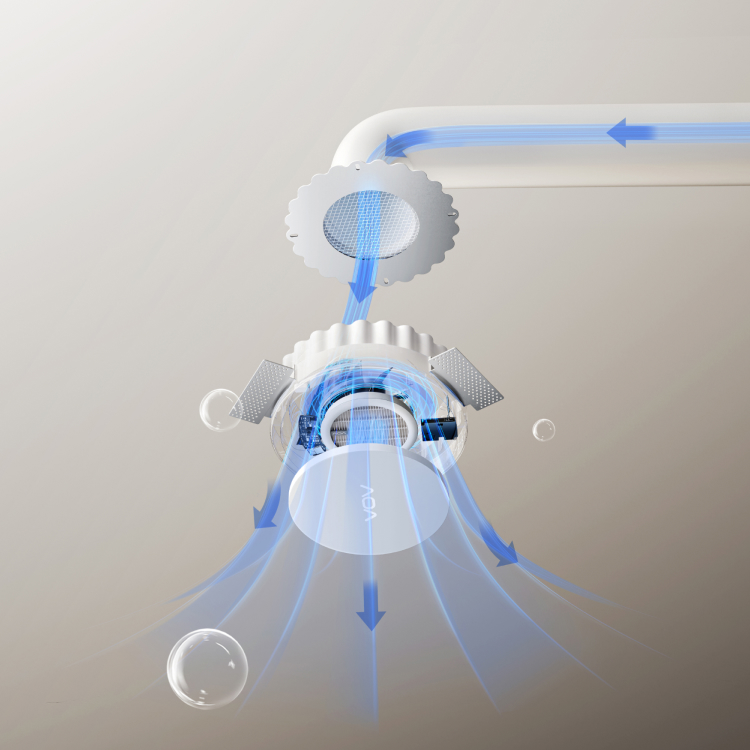
A home air exchanger is a system that continuously replaces stale indoor air with fresh outdoor air. It usually includes filters to remove dust, pollen, and other pollutants before the air enters your home. Some advanced models, like ERV (Energy Recovery Ventilator) air exchangers, also recover heat and humidity from outgoing air, saving energy while maintaining comfort.
Key benefits of a home air exchanger include:
-
Clean and fresh indoor air: Removes allergens, PM2.5, and odors.
-
Energy efficiency (for ERV models): Maintains indoor temperature and humidity while exchanging air.
-
Improved comfort: Quiet operation and consistent airflow make indoor spaces more pleasant.
A home air exchanger is ideal for residential applications, especially in homes where you want to maintain healthy indoor air without opening windows. It works well in bedrooms, living areas, and even whole-house systems when paired with home ventilators or inline exhaust fans.
What Is a Mechanical Ventilation System?
A mechanical ventilation system is a broader category that includes any setup using fans or ducts to move air. This can range from a single bathroom exhaust fan to a centralized whole house ventilation system integrated with your HVAC ventilators.
Mechanical ventilation systems often focus on removing air from specific areas:
-
Exhaust fans: In bathrooms and kitchens, these remove moisture, odors, and smoke.
-
Inline fans: Help move air through ductwork for balanced airflow in larger homes.
-
Whole house ventilation systems: Provide controlled airflow throughout all rooms.
Unlike a home air exchanger, some mechanical ventilation systems do not bring in filtered fresh air; they may simply move or exhaust indoor air. Energy recovery is not always included unless you integrate an ERV or HRV component.
Key Differences Between the Two
| Feature | Home Air Exchanger | Mechanical Ventilation System |
|---|---|---|
| Air Exchange | Brings in fresh, filtered air | May only exhaust indoor air |
| Energy Recovery | ERV models recover heat & humidity | Usually not included unless ERV/HRV added |
| Coverage | Single room or whole house (depending on model) | Can range from single bathroom fan to centralized system |
| Noise Levels | Generally quiet | Can be louder depending on fans & ducts |
| Maintenance | Filter replacement, occasional cleaning | Fan maintenance, duct cleaning |
In short, a home air exchanger is focused on introducing clean fresh air efficiently, while a mechanical ventilation system is broader, focusing on air circulation and exhaust, sometimes without energy recovery.
When to Choose Which
-
Choose a home air exchanger if:
-
You want continuous fresh air for bedrooms, living areas, or the whole house.
-
Energy efficiency is important (ERV or HRV models).
-
You want to reduce allergens, dust, and odors indoors.
-
-
Choose a mechanical ventilation system if:
-
You mainly need to remove moisture or odors from bathrooms or kitchens.
-
You are installing or upgrading a centralized HVAC system.
-
You are retrofitting an existing home and want targeted airflow improvements.
-
Many modern homes combine both: a residential ERV or home air exchanger for fresh air intake and exhaust fans or inline ventilation for moisture and odor control. This hybrid approach ensures maximum comfort, air quality, and energy efficiency.
Final Thoughts
Understanding the difference between a home air exchanger and a mechanical ventilation system helps homeowners make informed decisions. For those prioritizing clean, fresh, and healthy indoor air, a home air exchanger or ERV system is often the best choice. For targeted ventilation in bathrooms, kitchens, or multi-room setups, mechanical ventilation is essential.
By choosing the right combination for your home, you can enjoy healthier air, reduced allergens, and better indoor comfort year-round. Systems like the VOV Smart Air System offer flexible solutions that integrate ERV technology, exhaust fans, and whole-house ventilation, ensuring every room gets the fresh air it deserves.